
Michigan’s New NIL Rules Open the Door for Student-Athletes to Earn Real Compensation
Michigan’s New NIL Rules Open the Door for Student-Athletes to Earn Real Compensation
1/27/20262 min read
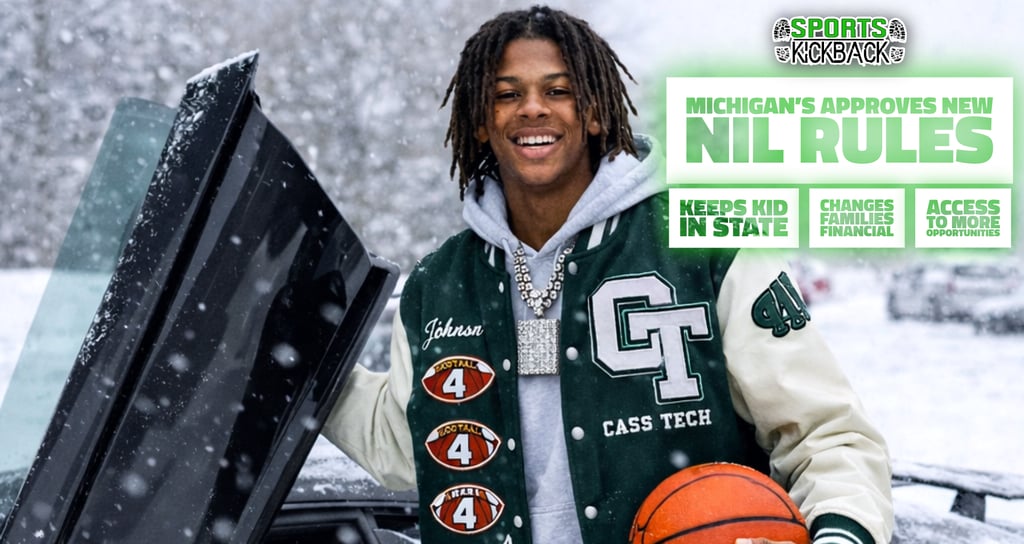
Michigan’s New NIL Rules Open the Door for Student-Athletes to Earn Real Compensation
Michigan has just taken a major step forward in empowering young athletes: new regulations now allow high school and college student-athletes in the state to legally earn compensation through their Name, Image, and Likeness (NIL) — meaning athletes can profit from their personal brands in ways that weren’t possible under previous rules.
Under the expanded NIL framework, athletes in Michigan can build financial opportunities by:
Securing endorsement deals with companies, brands, or local businesses.
Participating in paid appearances and autograph signings.
Promoting products or services across social media platforms as influencers.
Selling merchandise and branded gear tied to their personal name or persona.
For high school athletes, the Michigan High School Athletic Association (MHSAA) updated its policies to allow these personal branding activities so long as they are individual deals and do not involve school names, logos, or team properties. The goal is to give students freedom to benefit financially while preserving competitive balance among schools.
In college sports, Michigan’s state NIL laws already protect students by ensuring universities and athletic associations cannot block them from earning compensation for using their NIL rights — and these opportunities won’t affect scholarship status or eligibility.
Why This Matters: Keeping Talent in Michigan
Before these new rules, many promising Michigan athletes felt pressure to leave the state in search of better name-money opportunities elsewhere — especially in states with more established NIL markets or high-profile college programs. In past years, top recruits and transfer players often cited NIL as a factor in choosing where to play, since established NIL ecosystems could offer bigger endorsement deals and support networks.
That trend meant Michigan sometimes lost standout talent who might have preferred to stay close to home but felt limited by old restrictions. With this law now in effect, Michigan becomes a more competitive home for athletes who want both strong sports programs and real ways to earn money from their brand.
Pros of Michigan’s New NIL Rules
1. Financial Opportunities for Athletes
Student-athletes now have the chance to earn money for their hard work and brand value — from social media deals to paid events — helping them support themselves and even plan for life after school.
2. Home-State Talent Retention
With these rules in place, Michigan can better retain local stars who might otherwise move to states with more lucrative NIL markets. This strengthens community pride and helps local schools compete.
3. Real-World Business Experience
Negotiating contracts, building a brand, and working with sponsors teaches athletes valuable business and financial skills they’ll use long after their athletic careers are done.
Cons and Challenges to Consider
1. Competitive Inequality Risks
Even with restrictions, there’s a chance that athletes with bigger social followings or more connections could make far more money than their teammates, creating disparities within teams.
2. Pressure on Young Athletes
Especially for high school athletes, balancing schoolwork, sports, and brand deals can add stress and distract from education — something coaches and families will have to manage carefully.
3. Complex Rules and Compliance
Athletes, especially at the college level, still need to navigate contracts carefully, disclose deals properly, and understand rules about what they can and cannot do with university trademarks or school-related intellectual property.
What’s Next?
Now that Michigan has modernized NIL policies, local high school and college athletes should have more freedom to enrich their athletic journey while building a brand that has value both on and off the field. While challenges remain — especially around equity and compliance — this move represents a major win for student-athlete rights in the state.
Michigan is aligning with a broader nationwide shift toward NIL compensation, and this change could be a major factor in keeping the next generation of stars rooted in the Great Lakes State.