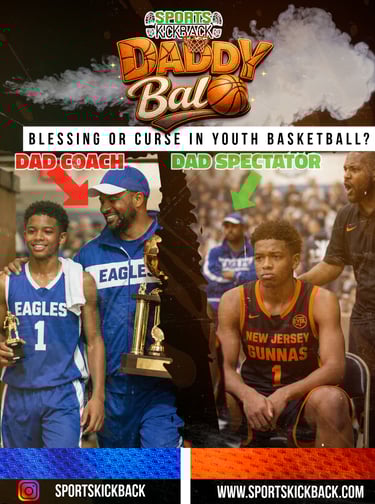
Daddy Ball: Blessing or Curse in Youth Basketball?
Daddy Ball: Blessing or Curse in Youth Basketball? What are the pro's and con's coaching your child.
YOUTH BASKETBALL
1/12/20263 min read

Daddy Ball: Blessing or Curse in Youth Basketball?
In youth basketball, few topics spark more debate than “Daddy Ball.” The term is commonly used when a player’s father is also the head coach. For some families, it’s the perfect setup. For others, it becomes a source of frustration, resentment, and stalled development.
So is Daddy Ball good or bad? Like most things in youth sports, the answer isn’t black and white.
The Cons of Daddy Ball
One of the biggest criticisms of Daddy Ball is favoritism. Whether intentional or not, when a dad is the head coach, people are always watching. If a coach’s child plays more minutes, gets more shots, or receives more freedom than teammates, it can damage team chemistry and credibility—even if the child is genuinely one of the best players.
Another issue is overcoaching and excessive pressure. Many dad-coaches are harder on their own child than anyone else. Constant yelling, calling out every mistake, or holding the child to an unrealistic standard can hurt confidence and enjoyment. Mistakes are part of human nature and player development. When a child feels they can never mess up without being publicly corrected, basketball stops being fun.
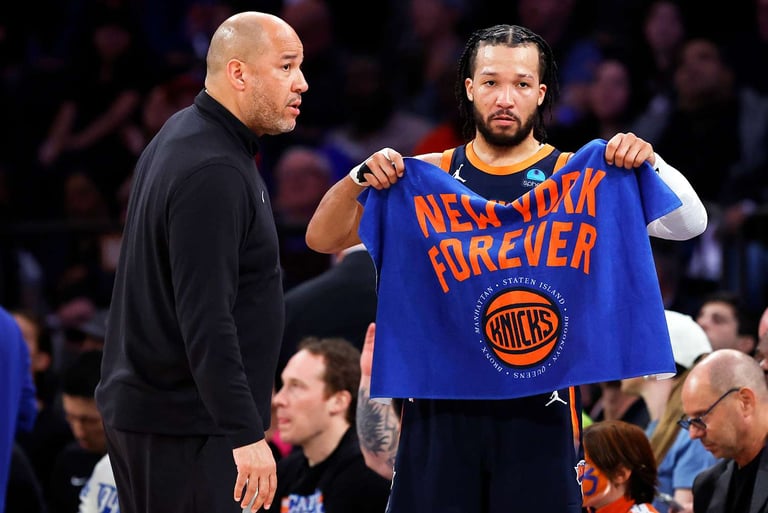
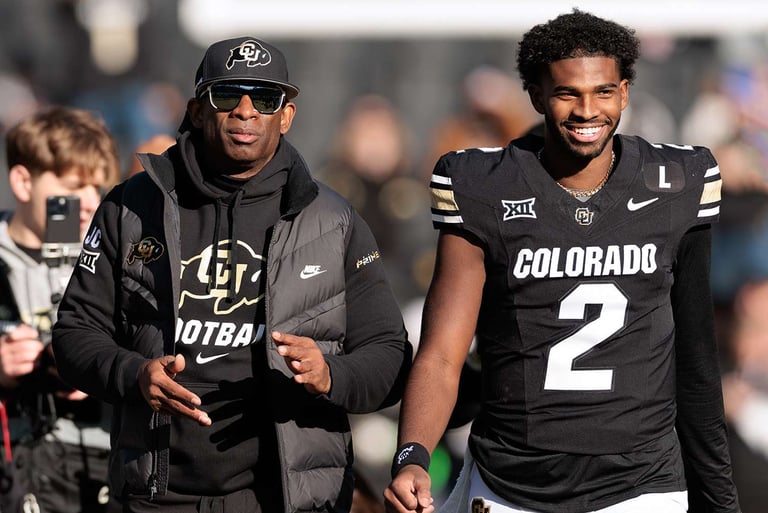
There’s also the question of qualification and development. Coaching at advanced levels requires more than passion—it requires knowledge of skill development, spacing, reads, defensive concepts, and long-term growth. Not every dad is equipped to teach a player beyond a certain stage. Outside of rare situations—like Jalen Brunson, whose father coached him and later transitioned him to other coaches, or Deion Sanders, who coached his sons through college—most players eventually need different voices, systems, and perspectives to grow.
When players who’ve only been coached by their dad move to another team, adjustment can be difficult. New coaches have different styles, terminology, expectations, and systems. If a player has only thrived under one familiar voice, adapting to change can be a real challenge.
The Pros of Daddy Ball
Despite the criticism, Daddy Ball does come with real advantages—when done the right way.
One major benefit is control over development. A dad-coach can manage training schedules, skill work, rest, and practice intensity. This allows for consistency and intentional growth, especially in the early stages of a player’s journey.
Dad-coaches also have the ability to mold their child into a specific type of player. They can emphasize strengths, address weaknesses early, and build a game that fits the child’s natural abilities. This can be powerful when paired with the right knowledge and humility.
Another underrated pro is communication. Instead of yelling from the stands like the “crazy parent,” dad-coaches can give in-game instruction calmly and constructively. The relationship allows for real-time teaching moments without the chaos.
There’s also the reality of playing time and system control. A dad-coach can run strategies, offenses, and defensive schemes that fit their child’s skill set. While this can be abused, when used responsibly, it can help a player build confidence and understand how to maximize their strengths within a team concept.
So… Is Daddy Ball the Right Move?
There is no universal answer.
Daddy Ball works for some families and fails miserably for others. The key factors are honesty, self-awareness, knowledge, and the child’s long-term goals. Parents must constantly ask themselves:
Is this helping my child grow—or holding them back?
Am I coaching to develop, or coaching to control?
When is it time to step aside and let another coach take over?
At the end of the day, basketball is just one chapter in a child’s life. Whether Daddy Ball is the path you choose or not, the most important thing is doing what works best for you and your child—not the crowd, not social media, and not outside noise.
If it’s healthy, productive, and development-focused, stick with it.
If it’s hurting confidence, growth, or love for the game, it may be time for change.
Because in youth basketball, development always matters more than control.